Choosing an e-cigarette that fits your habits
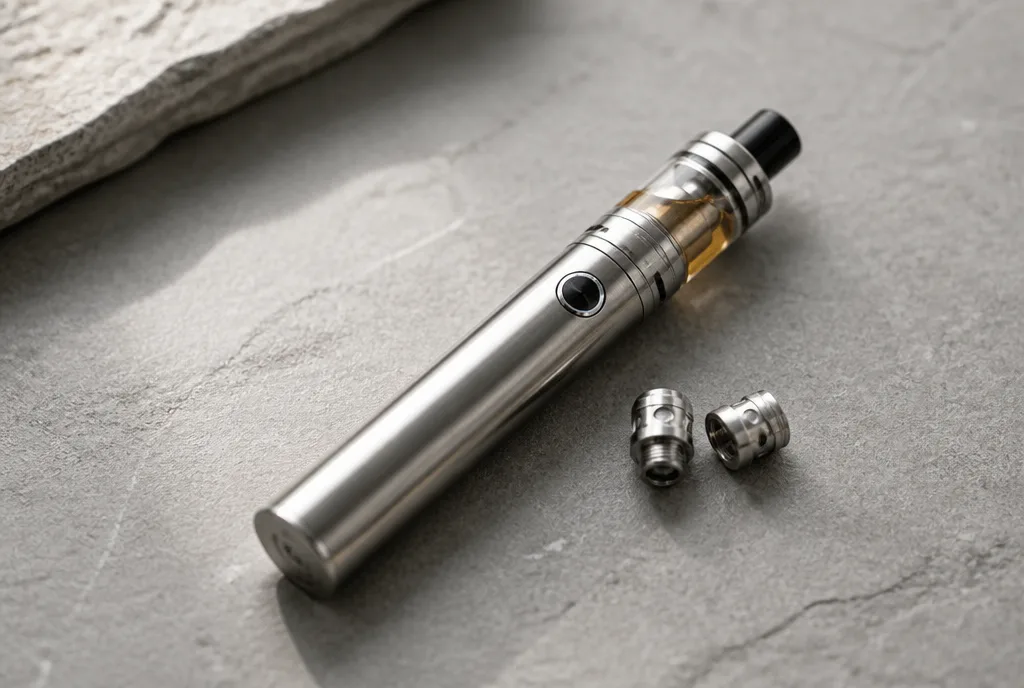
The most capable hardware is rarely the best suited. On this site we test mods that can do everything, and we regularly watch readers sell them on within a month: too heavy, too talkative, too demanding for the use they actually had. Choosing an e-cigarette that sticks therefore begins with describing your day, not with reading a spec sheet. Four questions do most of the work, and none of them is about wattage.
Choosing an e-cigarette starts with real runtime, not milliamps
A battery capacity says nothing until you relate it to consumption. A large battery driving a thirsty coil lasts less time than a small battery feeding an economical one, which is why the figure on the box is close to meaningless on its own.
The useful unit is the day. A compact low power device generally covers a day of moderate use: the blu 2.0, for instance, runs on a 400 mAh battery and its maker quotes a full recharge in around 35 minutes over USB-C, with a battery saver mode to stretch things further.
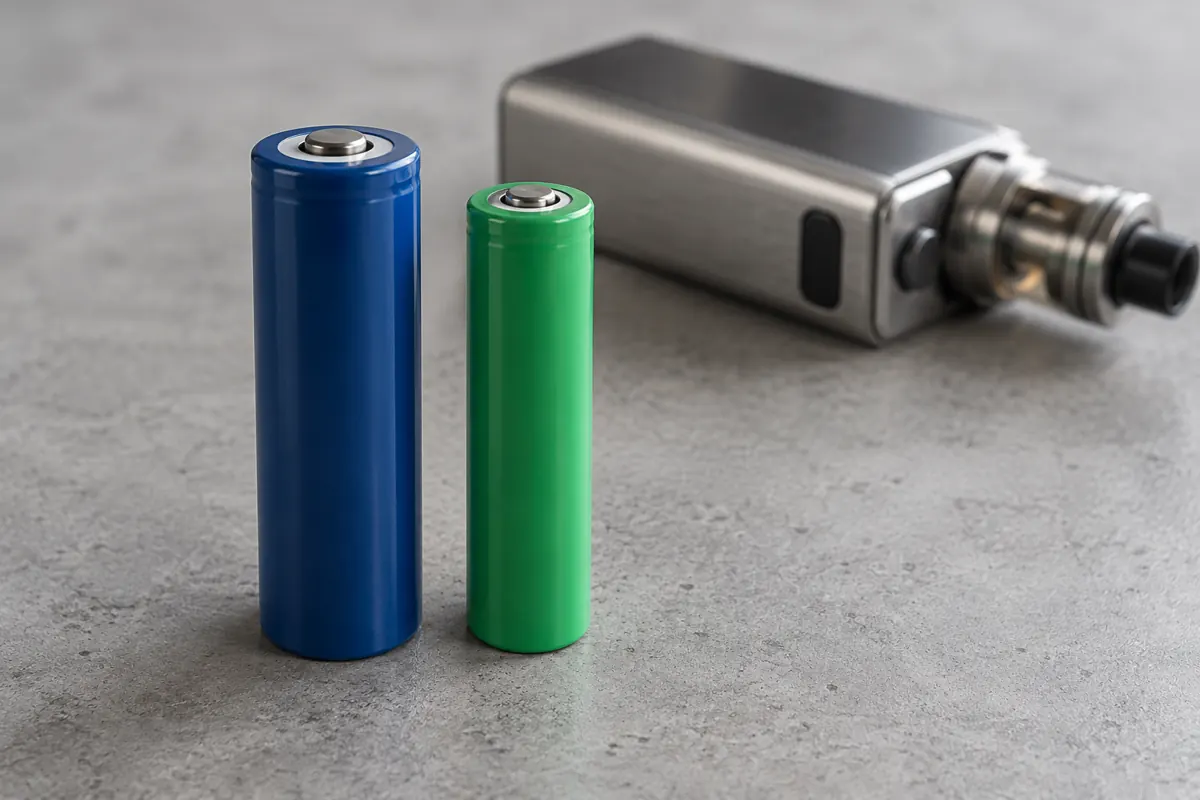
A mod fed by an 18650 or a 21700 will run far longer, but at a size and weight in another league altogether, a trade we set out in our comparison of the 21700 and the 18650. The right question is never how many milliamp hours. It is how many charging sessions per week you are prepared to accept.
Second question: where does the device spend its days?
Where the hardware lives dictates its format far more reliably than any performance figure. A device that sits on a desk and a device that lives in a jacket pocket face completely different constraints, and no review can settle that for you.
For permanent carry, weight and thickness come first. A pen style device such as the blu 2.0 weighs around 19 to 20 g and stands under 9 cm tall, which is the sort of object you forget you are carrying. A dual cell mod, by contrast, travels badly and rarely slips into a shirt pocket.
This criterion looks trivial and it is anything but. It explains the majority of hardware abandoned at the back of a drawer, bought on the strength of a review and dropped because it was simply too much object to carry around Britain all day.
Third question: how much upkeep will you accept?
This is the real dividing line between open and closed systems, and it has nothing to do with performance. Both approaches work. They just ask very different things of you across a week.
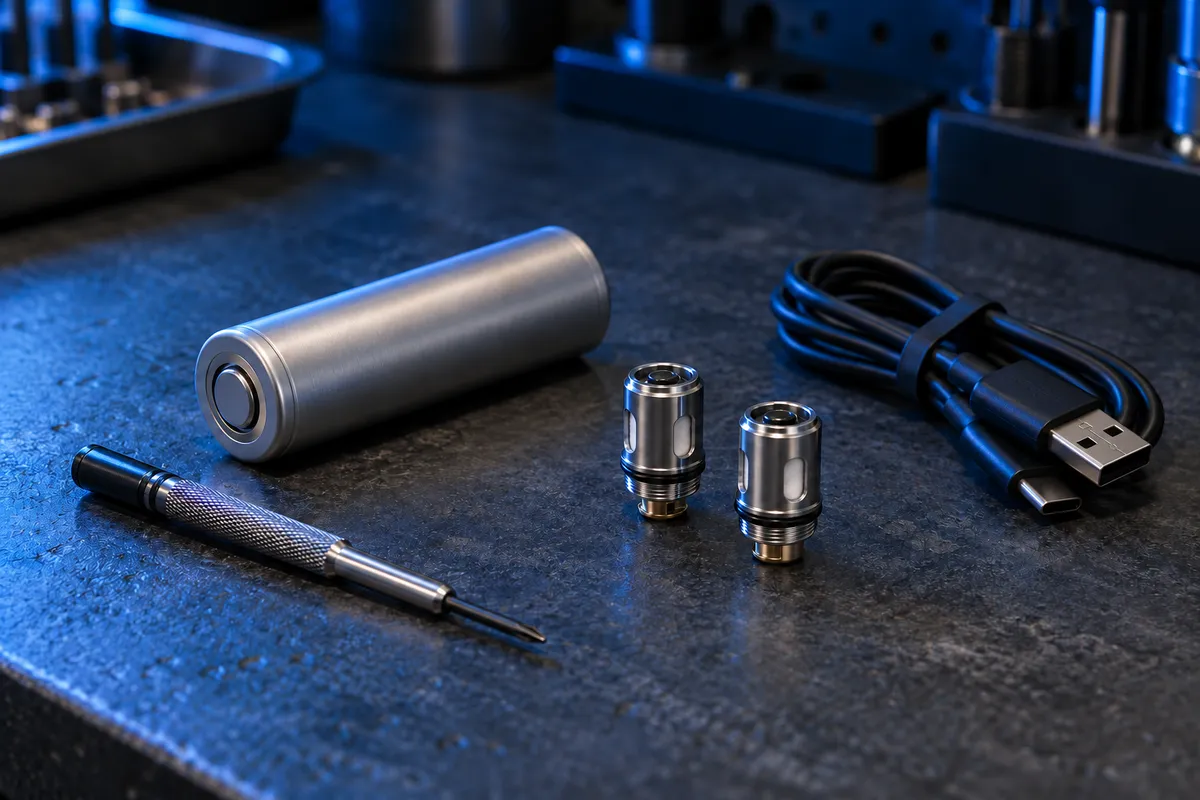
An open system means filling a tank, priming a coil, replacing it at the right moment and keeping an eye on the wattage applied. In exchange, the choice of e-liquid is effectively unlimited and the cost per millilitre is lower, particularly if you buy nicotine shortfills and add shots.
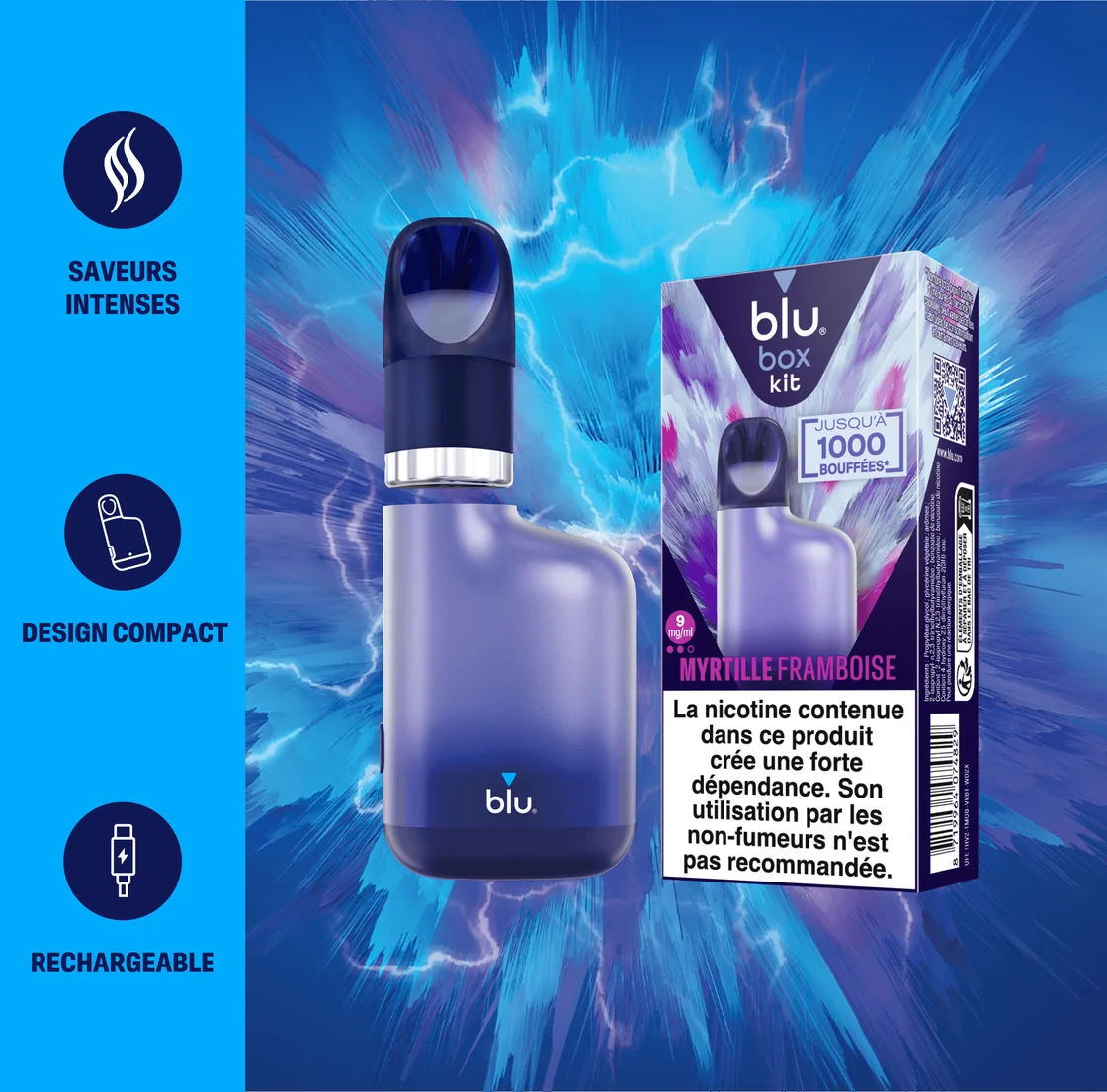
A closed system removes all of that. The coil sits inside the pod, the heating is calibrated at the factory, and swapping a pod takes seconds. Prefilled pods arrive sealed, which suits anyone who would rather not carry a bottle. The trade is a narrower flavour list and a higher cost per millilitre.
There is a middle path worth naming, because plenty of people end up there. Refillable pod systems keep the simplicity of a click in pod while letting you fill it from a bottle, which cuts the running cost without asking you to build anything.
They still involve replacing a pod or a coil periodically, so they do not remove maintenance entirely. What they remove is the fiddly part, and for a lot of readers that is exactly the right compromise between a sealed cartridge and a full tank.
Fourth question: how steady is your consumption?
The budget for an e-cigarette is not read on the day of purchase but across twelve months, and it depends directly on how regular your use is. Steady users and erratic users end up in different places.
Steady consumption makes the closed format predictable. You know roughly how many pods a month you get through, so you know what the year costs. Manufacturers publish puff estimates to help: blu quotes up to 1,300 puffs from a 1.9 ml Flavour Max pod, with the usual caveat that real figures move with how you vape.
Irregular or very heavy consumption pushes the other way, towards an open system where the marginal cost of liquid is lower and where a bigger reservoir means fewer interruptions. That same reasoning underpins our guide to picking a box mod.
What the UK rules change when choosing an e-cigarette
British regulations shape the hardware itself, and reading a spec sheet without that filter leads to confusion. Refillable tanks sold here are capped at 2 ml, so a listing advertising a 5 ml tank is describing a version built for another market.
Nicotine containing e-liquid is capped at 20 mg/ml and sold in bottles of no more than 10 ml. Prefilled pods follow the same nicotine ceiling, which is why UK strengths cluster around figures such as 9 mg and 18 mg rather than the higher numbers seen elsewhere online.
Sales are restricted to over-18s. Together these three limits mean that choosing an e-cigarette in the UK is less about raw capacity than about how often you refill, and that a device praised abroad for its huge tank may behave quite differently on a British shelf.
The right format is the one you stop managing
Runtime measured against your day, bulk measured against where the device lives, upkeep you genuinely accept, and how regular your consumption is: four answers rule out nine products in ten before you have compared a single brand.
The best hardware is not the one that wins the tests. It is the one you forget about because it simply works, and that rule holds just as well for a pocket pod as for a high end mod. Choosing an e-cigarette on that basis, rather than on a headline figure, is how you avoid the drawer.
Frequently asked questions
Is a bigger battery always the better choice?
No. A large battery driving a high wattage coil can easily last less time than a small one feeding a low power pod. Runtime is the ratio between capacity and consumption, so judge it in days of use rather than in milliamp hours.
Why is every refillable tank sold here 2 ml?
Because UK rules cap the capacity of refillable tanks at 2 ml. A product page quoting a larger figure is describing the version made for another market, and the British release will be restricted.
What nicotine strength is available in the UK?
Nicotine containing e-liquid is capped at 20 mg/ml and sold in bottles of up to 10 ml. Within that ceiling, strengths vary widely, and prefilled pod ranges typically offer two or three options.
Open or closed system for someone starting out?
Closed systems ask less of you: no filling, no coil changes, no wattage to set. Open systems reward a bit of maintenance with far more flavour choice and a lower cost per millilitre. The honest question is how much upkeep you want in your week.
Does a compact device mean giving up flavour?
Not necessarily. Small pod devices are tuned for tighter, mouth to lung style vaping and do that well. What they give up is airflow, wattage headroom and the ability to run a large sub ohm coil, not flavour as such.
Four answers, one device
Describe the day first and the shortlist writes itself. Ask how often you can charge, where the device will actually sit, how much maintenance you will tolerate, and how steady your use is across a month.
Add the British constraints on top, the 2 ml tank, the 20 mg/ml ceiling and the over-18 restriction, and most of the noise disappears. Choosing an e-cigarette this way takes an evening rather than a fortnight of reviews, and it produces a device you keep using. The rest of our coverage lives in the column, where we apply exactly the same filter to every product that crosses the desk.
Editorial content for adult readers only. Vaping products usually contain nicotine, a substance that causes addiction. Not for sale to under-18s in the United Kingdom. This article is not a buying recommendation.